Embed Apryse Server SDK to deliver scalable performance into your backend document processing and workflow applications

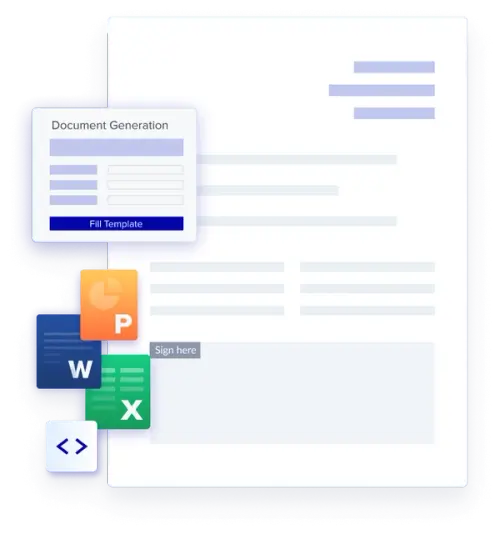
Create new PDF documents programmatically, or merge your data source with Office and HTML templates to rapidly generate large numbers of highly personalized documents.
No. One of the primary benefits of the Server SDK is that it is self-hosted. All document processing happens locally on your infrastructure. Your files never leave your network, making it an ideal choice for industries with strict privacy requirements like Finance, Healthcare, and Government.
We support nearly every major backend environment. You can use the same core high-performance engine across:
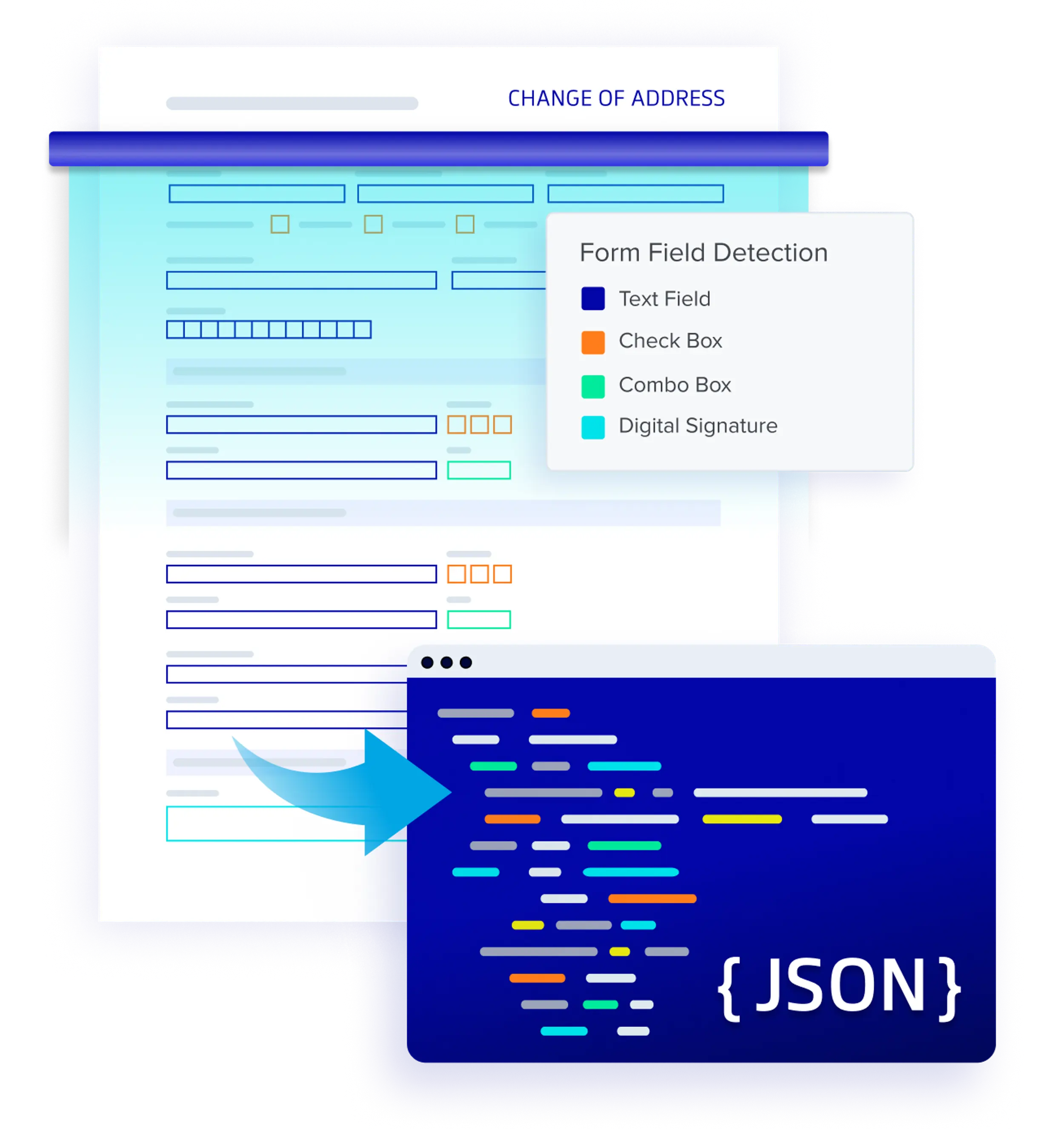
The Server SDK serves as the critical data preparation layer for AI ecosystems, specifically supporting the development of Retrieval-Augmented Generation (RAG) pipelines and autonomous AI agents. By converting unstructured PDFs into clean, labeled JSON, the SDK provides the high-quality, structured "ground truth" that Large Language Models (LLMs) require to function without hallucinating. Because the SDK is designed for deployment on-premises or in private clouds, AI agents can be deployed in air-gapped or highly regulated environments where sending sensitive document data to external third-party extraction APIs is not an option.
No. Apryse uses a proprietary rendering engine that Office documents (Word, Excel, PowerPoint) to PDF directly. This allows you to run high-fidelity conversions on Linux servers or Docker containers without the overhead or licensing costs of MS Office.
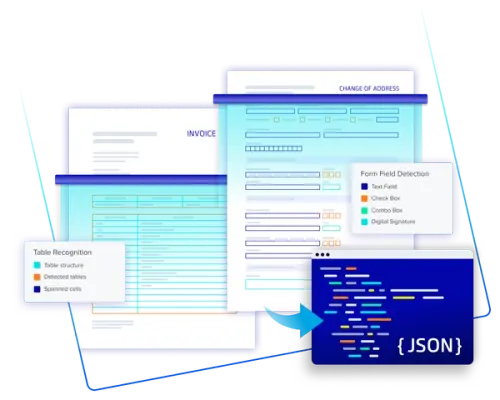
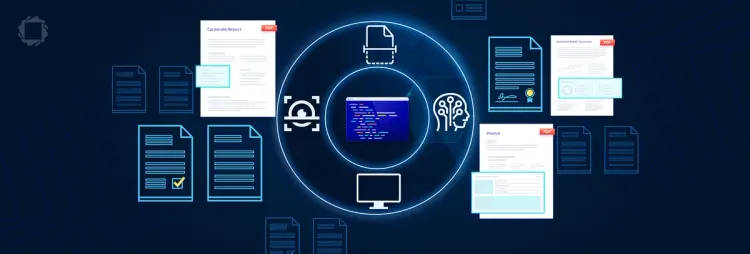
While traditional Optical Character Recognition (OCR) is effective for simple text retrieval, the Apryse Server SDK goes significantly further by utilizing Smart Data Extraction to understand the underlying structure of PDFs. This AI-enabled technology moves beyond simple character identification to reconstruct the semantic logic of a file, effectively turning documents into structured, actionable data. Smart Data Extraction can autonomously detect complex table structures, including nested cells and headers, and accurately map key-value pairs, such as linking an invoice number directly to its corresponding value.